


Summary
- The Galaxy S25 Edge is Samsung’s thinnest smartphone to date, measuring just 5.8mm at its thinnest. That’s about three $1 coins stacked on top of each other.
- Despite a slim profile, Samsung has managed to equip the smartphone with flagship hardware, including a 6.7-inch beautiful screen and the Snapdragon 8 Elite (3nm) chip.
- The S25 Edge also features a 200MP primary camera, borrowed from the S25 Ultra.
If you’re thinking about buying the Galaxy S25 Edge but have a few doubts, you’ve landed at the right place. Samsung’s thinnest smartphone may not be for everyone, but for those who value a futuristic form factor that offers exceptional comfort and portability, it’s hard to find a better alternative.
S25 Edge Offers a Luxurious In-Hand Feel
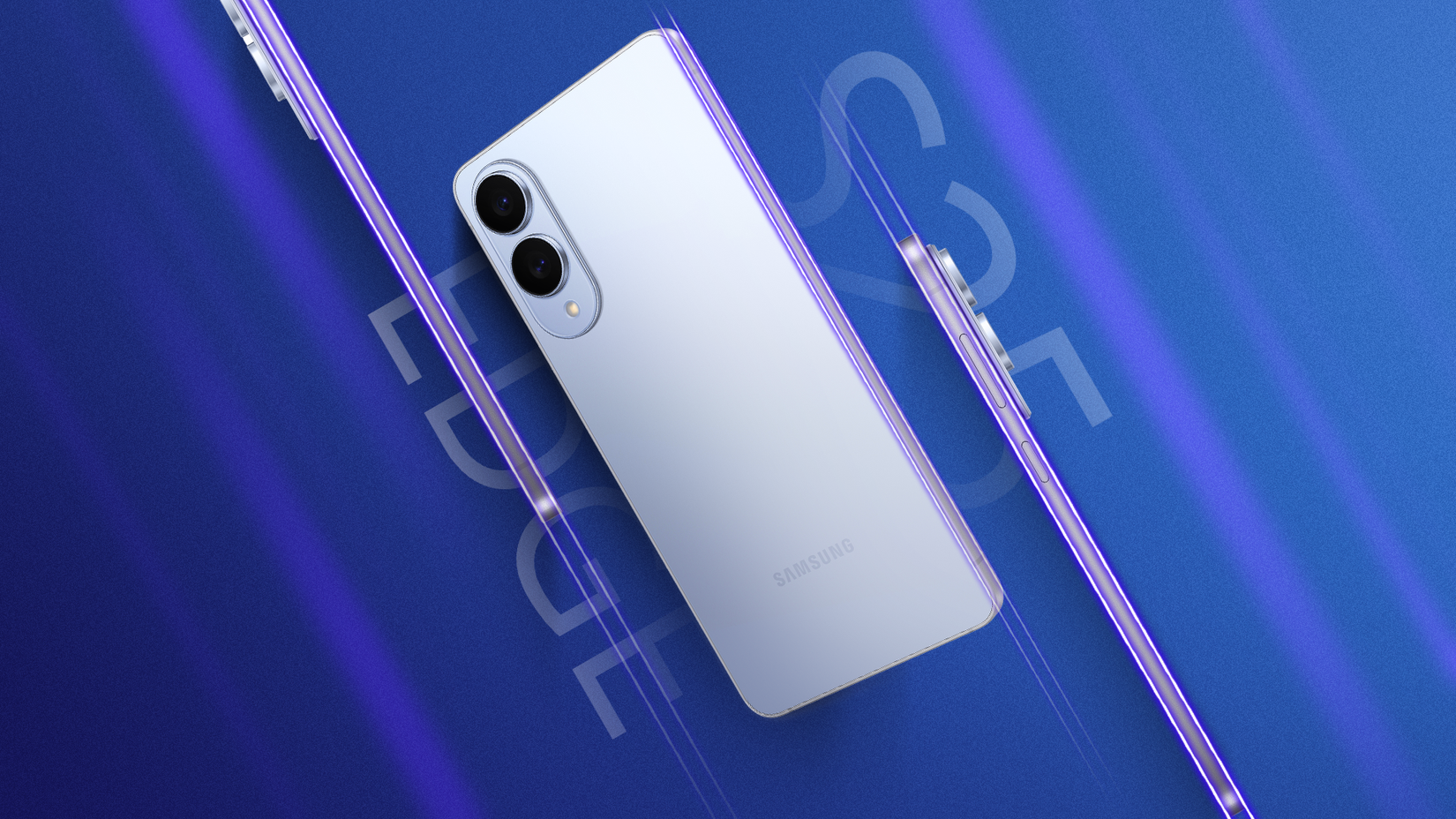
Over the years, Samsung has been gradually reducing the thickness of its flagship devices by a few millimeters. For instance, the S23 Ultra (released in 2023) had an 8.9mm side profile, while the S24 Ultra brought it down to 8.6mm.
The company didn’t stop there and launched an even thinner full-size flagship, the Galaxy S25 Ultra. It is just 8.2mm thick, making it one of the slimmest phones in its category. You can also see a similar trend in the vanilla Galaxy S25 and the Galaxy S25+.
The thing about slim phones is that probably no one is asking for them, but once you get a hold of one, you might not be able to go back to regular handsets, and the main reason behind that is the exceptional comfort and the luxurious in-hand feel.
It is commendable how the Korean tech conglomerate has managed to cram everything that makes up a flagship into a frame that is just 5.8mm thin (making it 29% thinner than the Galaxy S25 Ultra), making the S25 Edge its slimmest smartphone ever. But that’s not the smartphone’s only accolade.
The S25 Edge is also among the lightest devices with a 6.7-inch screen on the market, weighing in at just 163 grams. That’s 25% lighter than the Ultra. These aren’t just numbers; they’re dramatic changes that have the potential to change your perception of a flagship smartphone.
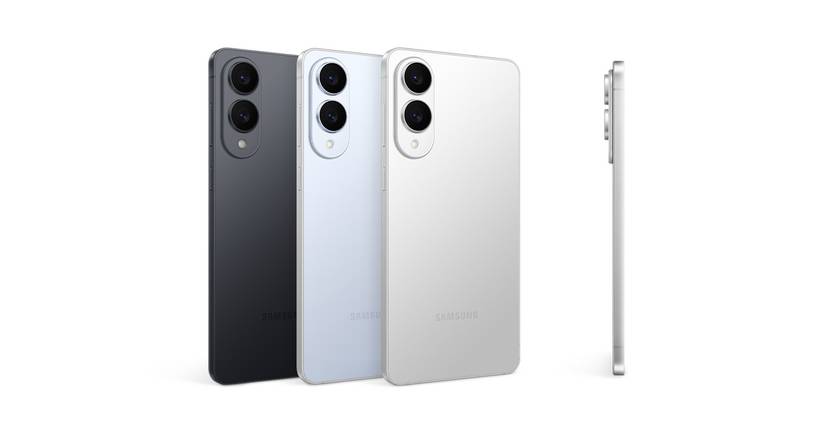
Being thinner and lighter, the phone is dramatically easier to hold, less fatiguing to use, and slips into pockets effortlessly. While these may seem like minor factors, they contribute to a unique experience that no regular flagship can offer.
Compared to iterative models that are ever so slightly thinner or lighter than their predecessors, the S25 Edge offers generational improvements in comfort and portability, giving us a glimpse of what smartphones could look like in a few years.
So, if you’ve always been bothered by how thick or hefty modern-day flagships feel, the S25 Edge could be the perfect smartphone for you, especially if you hate putting a case on your phone. You’ll be making a few compromises, but you’ll get a phone that’s truly in a class of its own.
Samsung Pulls Out All the Stops on Durability
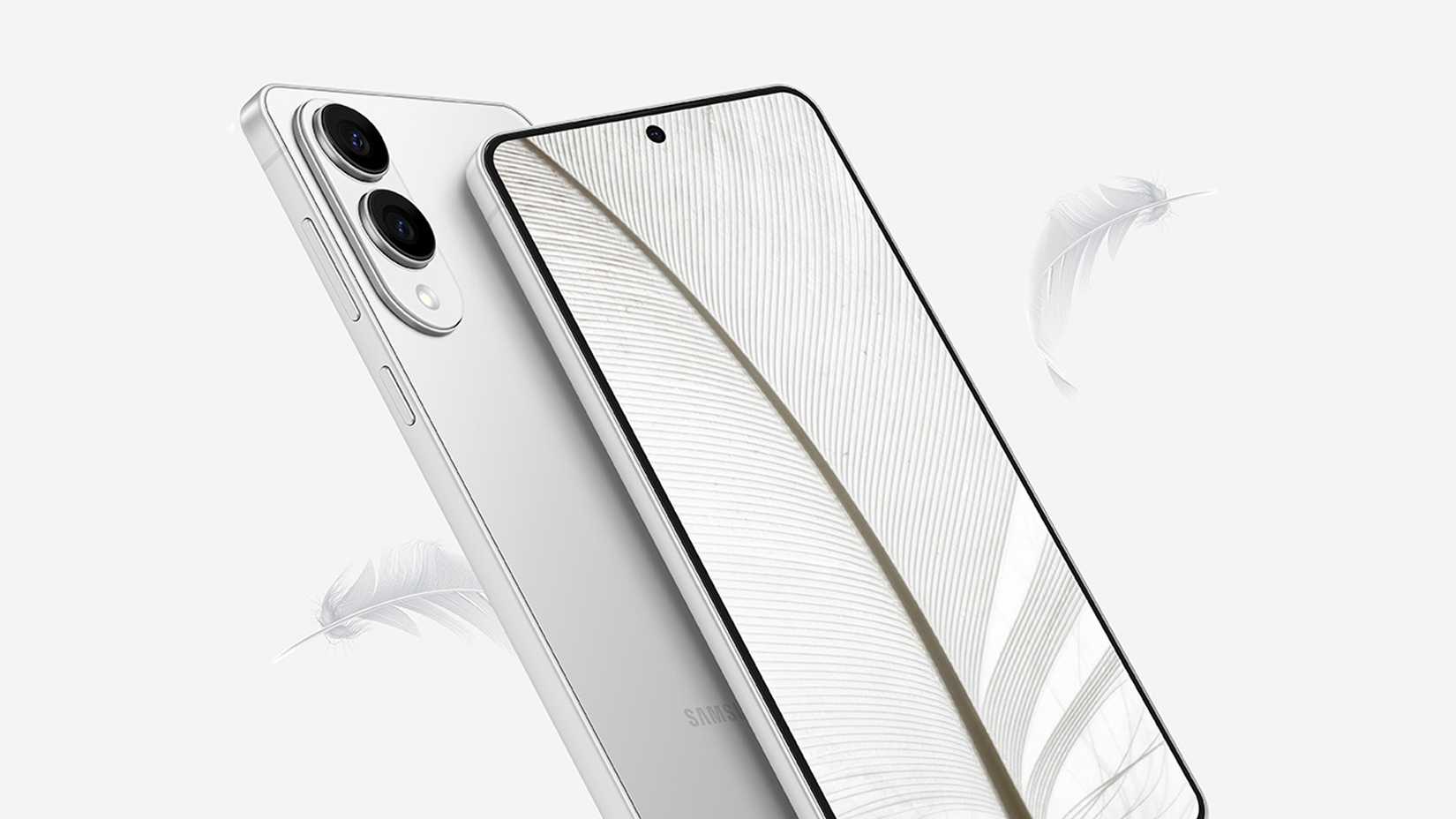
The frame of the Galaxy S25 Edge is crafted from grade 5 titanium, the same material used on the S25 Ultra. While it helps the ultra-thin flagship maintain a lightweight profile, it also contributes to the overall chassis strength and resistance to dents.
The back of the phone features Corning’s Gorilla Glass Victus 2 (which also protects the screen on the vanilla Galaxy S25 and the Galaxy S25+). On the front, the phone sports the newly-launched Gorilla Glass Ceramic 2 (not to be confused with the Ceramic Shield on iPhones), which sits below the Gorilla Armor 2 Glass but offers excellent drop performance in thinner form factors.
Last but not least, the S25 Edge comes with an official IP68 dust and water resistance rating, which can withstand any damage due to ingress in up to 1.5m of water for 30 minutes. As always, you shouldn’t treat the IP rating as a license to misuse your phone but rather as a safety net that can protect your expensive device in the event of an accidental spill or drop.
Moreover, the S25 Edge is about as durable as the Galaxy S25 Ultra (the only difference being the front glass protection). It’s great to see that Samsung didn’t cut any corners with its thinnest smartphone, as this will instill confidence in the form factor among buyers.
You Get a Bright, Sharp Screen With Super-Narrow Bezels
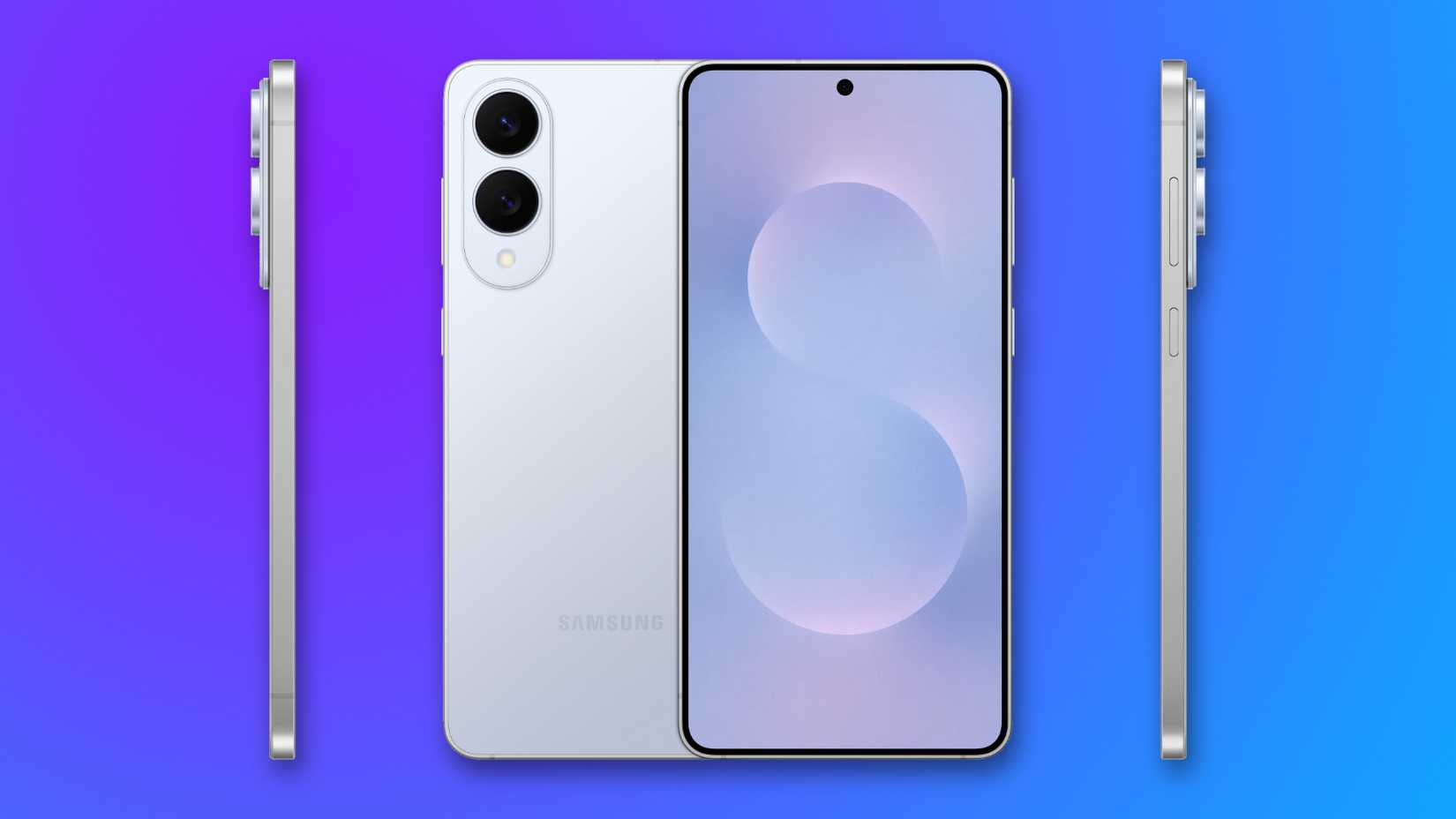
There’s something about the slim profile and the narrow bezels on the S25 Edge that makes the phone futuristic. Speaking from a design perspective, curved displays tend to create an illusion of thinness. However, the S25 Edge is actually a super-thin handset with an all-screen display and a gorgeous one, no less.
Like the screen on the Galaxy S25+, the S25 Edge features a 6.7-inch QHD+ AMOLED display that supports a 120Hz variable refresh rate, achieves 2,600 nits of peak brightness, and boasts a 3120 x 1440 pixels resolution (512 ppi, higher than that of the S25 Ultra).
In many ways, the S25 Edge’s screen is similar to that of the S25 Ultra, Samsung’s top-tier flagship. As a result, you can expect an excellent visual experience with vibrant colors, deep blacks, and exceptional brightness for enhanced legibility, even under direct sunlight.
Whether you use the phone for browsing the internet, reading emails, scrolling through reels on social media platforms, or streaming videos from your favorite OTT platform, the S25 Edge will deliver a top-notch visual experience.
Snapdragon 8 Elite for Galaxy Unlocks Flagship Performance
The Galaxy S25 Edge, like the rest of the S25 lineup, runs on the Snapdragon 8 Elite (3nm) for Galaxy. When compared to the regular version of the chipset, the ‘for Galaxy’ variant features high-frequency prime cores and GPU, ensuring smoother multitasking for day-to-day use and plenty of horsepower for occasional gaming or other demanding tasks.
Besides the raw processing power, the S25 Edge features 12GB of RAM and either 256GB or 512GB of storage. In my opinion, offering 256GB of storage from the base variant is a step in the right direction. Currently, three out of four Samsung flagships offer at least 256GB of storage, leaving the vanilla Galaxy S25 as the exception.
Interestingly, Samsung has equipped its thinnest flagship with a vapor chamber that is 10% bigger than that on the Galaxy S25+, with a new “hole structure design.” The combination of a powerful chip, along with ample memory, storage, and a dedicated vapor chamber for maintaining temperature control, enables the S25 Edge, despite its super-thin design, to offer excellent raw performance.
Yes, the S25 Ultra and the S25+ extract better performance out of the handset, but the S25 Edge offers more power than most users can utilize, giving it enough headroom to run the latest Galaxy AI features and comfortably the seven years of operating system and security updates Samsung promises to offer.
The Best Android Phones of 2025
The best the Android world has to offer.
S25 Edge Borrows Its Primary Camera From the S25 Ultra
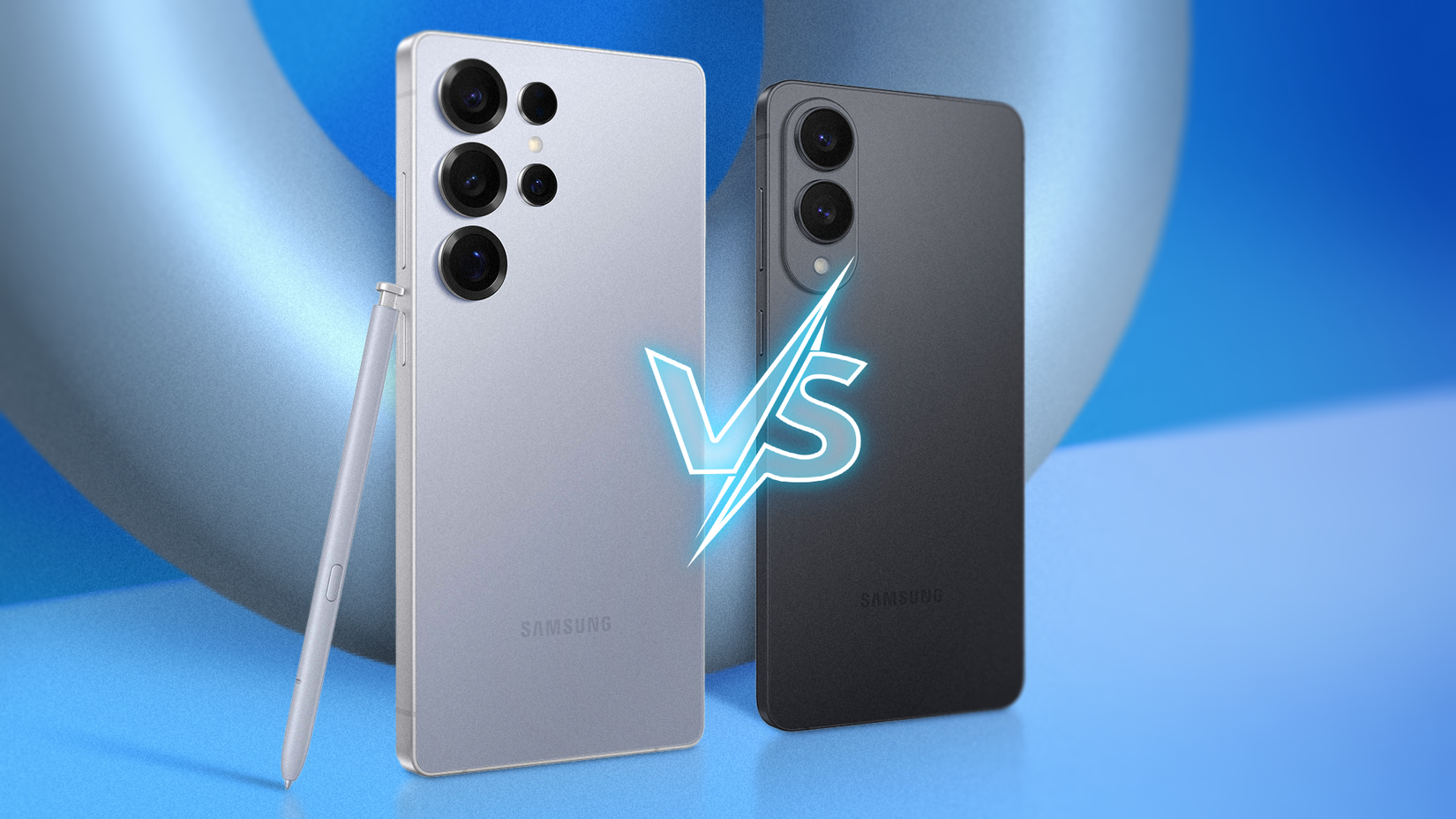
The Galaxy S25 Edge features the same ISOCELL HP2 200MP (f/1.7) primary sensor and ProVisual Engine as the S25 Ultra, letting you capture detailed, crisp, and vibrant pictures with virtually the same background blur and the impressive dynamic range that the Ultra is known for.
Thanks to the primary camera’s high resolution and Samsung’s AI Zoom feature, the S25 Edge effectively compensates for the lack of a dedicated telephoto lens. Based on the samples shared by Sam Mobile, I would say that the handset holds up pretty well against the S25 and the S25+.
Besides the main camera, the S25 Edge also features a 12MP (f/2.2) ultrawide sensor with autofocus, which unlocks macro photography. Like the rest of the lineup, the handset can record 8K videos (at 30 fps) and 10-bit HDR videos, features the Audio Eraser, a new virtual depth-of-field button (in Expert RAW), and the ability to shoot in Galaxy Log.
It might have gone unnoticed by many, but the smartphone can also record 4K videos at 120 fps, a feature that was previously exclusive to the S25 Ultra. On the front, you get a 12MP (f/2.2) selfie shooter that can record 4K videos (up to 60 fps).
In conclusion, even though the S25 Edge lacks dedicated zoom hardware, its primary camera sensor, combined with the AI Zoom feature and the computational photography smarts in the background, offers a versatile camera system suitable for most users.
I have also compiled an article on how the Galaxy S25 Edge doesn’t offer the best battery life of any model in the Galaxy S25 lineup, along with a couple of other compromises that you’d have to make.
However, if you aren’t bothered by those, or you wish to use the S25 Edge as your secondary smartphone, you shouldn’t feel guilty about getting Samsung’s slimmest smartphone and showing it off to your friends and family.
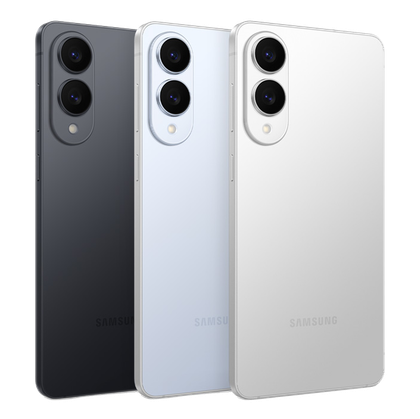
Samsung Galaxy S25 Edge
- Display
-
6.7-inches
- RAM
-
12GB
- Storage
-
256 or 512GB
- Battery
-
3,900mAh
- Ports
-
USB-C
- Operating System
-
One UI 7